Diamond Seamless Pattern Backgrounds: A Designer's Guide
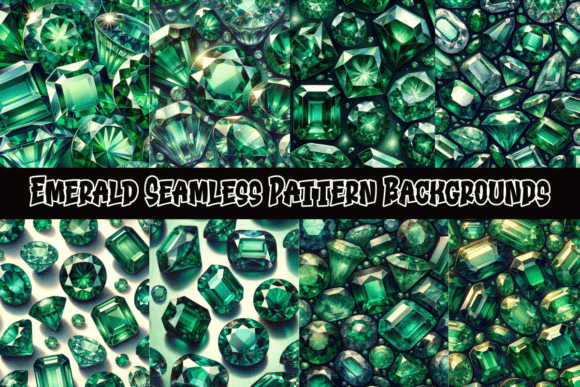
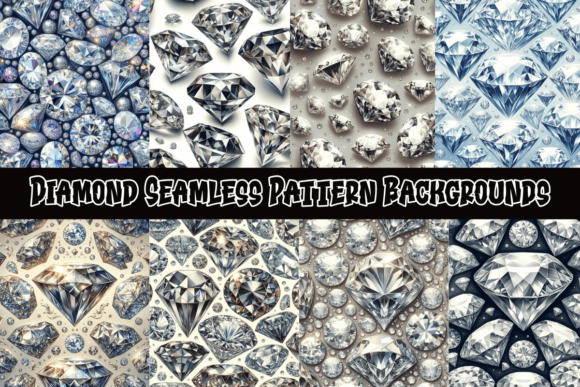
There's a particular kind of magic in a well-executed pattern. It doesn't scream for attention, yet it holds a space with quiet confidence, adding depth, texture, and personality to any surface it graces. This is the essence of the Diamond Seamless Pattern Backgrounds collection. It’s not just a set of files; it's a versatile toolkit built on a foundation of geometric precision and elegant repetition. For designers, marketers, and creators, it represents a shortcut to sophistication—a way to inject instant visual interest into a project without starting from scratch.
At its core, this collection is a study in geometry. The diamond, a symbol of clarity, strength, and value, is reimagined in countless arrangements. You'll find tight, uniform tessellations that create a sense of order and rhythm, and more complex, interlocking designs that feel dynamic and modern. The visual personality is clean, structured, and inherently versatile. Depending on the color palette and scale you apply, these patterns can feel luxurious and high-end, playful and energetic, or minimalist and corporate. This chameleon-like quality is their greatest strength. They provide a foundational layer of visual interest that supports your primary content—whether that's a bold typographic logo, a product photo, or a block of marketing copy—without ever competing with it.
Where Geometric Patterns Shine: Practical Applications
The real value of the Diamond Seamless Pattern Backgrounds lies in their application across the entire creative spectrum. As a design asset, they are a workhorse. In logo design, a subtle, scaled-down diamond pattern can become the texture within a logo mark, adding a tactile quality that a flat color cannot. For brand identity systems, these patterns are perfect for creating cohesive stationery—think business cards with a textured back, letterheads with a faint geometric watermark, or presentation folder covers that feel substantial and professional.
In the digital realm, their utility is equally broad. For web design, a diamond pattern can serve as a sophisticated background for a hero section, a sidebar, or a footer, breaking up the monotony of solid colors. They work beautifully as subtle textures behind content blocks, ensuring readability while adding depth. On social media graphics, these patterns are a game-changer. Imagine an Instagram Story template where the background is a vibrant, colored diamond pattern, instantly making your text overlays pop. They can frame quotes, highlight promotions, or simply make your feed look more curated and intentional.
Beyond digital, the collection excels in packaging design and editorial design. A product box wrapped in a matte finish with a blind-embossed diamond pattern speaks volumes about quality. In a magazine or lookbook, using a diamond pattern as a chapter opener or a pull-quote background adds a layer of sophisticated graphic design. For crafters and hobbyists, the possibilities are endless: custom wallpapers, unique textiles for sewing projects, or one-of-a-kind stationery for personal correspondence. The seamless nature means you can scale the pattern to fit any dimension without worrying about awkward seams or repetitions.
Making It Work: Choosing and Implementing Your Pattern
Having a great collection is one thing; using it effectively is another. The first step is always to consider your project's overall tone and audience. A dense, high-contrast diamond pattern might be perfect for a dynamic tech startup's social media but could overwhelm a serene yoga studio's website. Start by evaluating the personality of the pattern against your brand identity. Is your brand voice modern and bold? Look for patterns with sharp lines and high contrast. Is it more traditional or luxurious? Opt for finer, more intricate arrangements.
Testing is crucial. Don't just drop a pattern onto your canvas. Experiment with color. A single pattern file can yield dozens of different looks simply by changing the hue, saturation, or even applying a gradient overlay. Play with scale. A pattern that looks busy at 100% might become a subtle, elegant texture at 30%. Always consider readability. If you're placing text over the pattern, ensure there is sufficient contrast. Often, this means slightly desaturating the pattern, adding a semi-transparent color overlay, or using a solid shape behind your text to create a clean "canvas" within the textured space.
Think about font pairing as well. The structured, geometric nature of diamond patterns pairs exceptionally well with clean sans serif fonts for a modern, technical feel. They also create a compelling contrast with elegant serif fonts, where the organic curves of the letterforms play against the rigid geometry. A flowing script font can look stunning against a simple diamond grid, the pattern providing a stable foundation for the font's movement. Avoid pairing them with overly decorative or handwritten fonts that might create visual clutter.
Finally, pay attention to the practicalities. Review the file formats included—do they work with your software? Understand the licensing. Most premium font and asset collections come with a commercial license, but it's your responsibility to ensure it covers your intended use, whether for client work, merchandise, or digital products. The Diamond Seamless Pattern Backgrounds collection is more than just decorative filler. Used thoughtfully, it becomes a fundamental part of your creative toolkit, enabling you to build more cohesive, professional, and engaging visual communications with efficiency and style. It’s about adding that layer of considered detail that elevates good design to great.