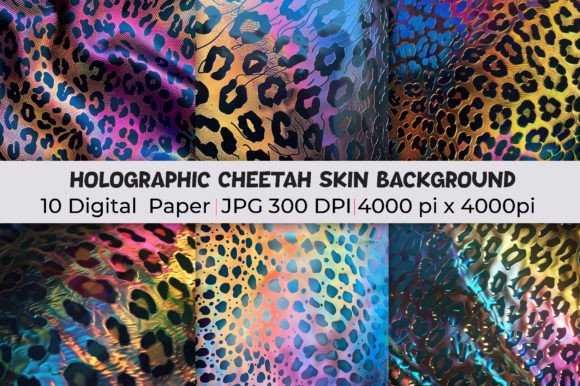
Elevate Visual Projects with Holographic Zebra Skin Backgrounds
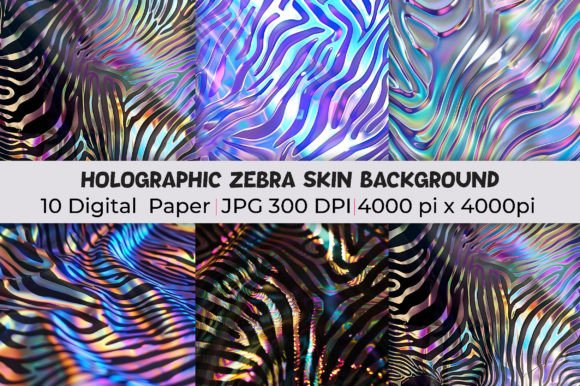
When you are working on a project that demands attention, standard textures often fall flat. Enter the world of Holographic Zebra Skin Backgrounds, a design resource that bridges the gap between organic pattern and futuristic aesthetics. This collection is not just about adding a layer to your canvas; it is about injecting a specific energy into your work. Imagine the familiar, striking stripes of a zebra, but reimagined through a prism of modern color theory. The result is a mesmerizing interplay of light and texture that feels both luxurious and edgy. These backgrounds capture the essence of modern typography trends where visual hierarchy is driven by texture as much as by font choice.
The visual characteristics of these assets are distinct. You are dealing with a high-resolution canvas—specifically 4000 by 4000 pixels—that allows for significant cropping without losing fidelity. The "holographic" aspect refers to the way colors shift and blend, moving through a Rainbow Holographic spectrum that mimics light refracting off a prism or foil. This creates a dynamic background that changes perceived color based on the design elements placed on top of it. Unlike a static, flat color, these backgrounds possess a depth that suggests motion. They are perfect for creating that coveted "liquid" look or adding a tactile quality to digital interfaces.
Strategic Applications for Modern Creators
Understanding where to deploy these backgrounds is key to unlocking their value. For logo design and brand identity work, a holographic zebra texture can serve as a powerful backdrop for monochromatic text or simple vector shapes. If you are working with a sans serif font that has clean, geometric lines, the organic curves of the zebra pattern provide a necessary contrast, making the typography pop. Conversely, pairing these backgrounds with a bold serif font can evoke a sense of high-fashion editorial style, reminiscent of luxury magazines or avant-garde art galleries.
In the realm of digital design, the applications are vast. Social media graphics require immediate engagement; the vibrant hues of these backgrounds stop the scroll. They are particularly effective for Instagram stories, YouTube thumbnails, or podcast cover art where the competition for eyeballs is fierce. For web design, these textures can be used as hero section backgrounds or to highlight specific calls to action. However, readability is paramount here. When overlaying text, ensure you use a premium font with high legibility. A heavy weight display font usually works best, as the intricate details of the zebra skin can sometimes make lighter, thinner typefaces difficult to read.
Integrating Texture with Typography and Layout
One of the most common challenges designers face is integrating complex textures with text without creating visual noise. The solution lies in visual hierarchy and layering. Think of the Holographic Zebra Skin Background as the foundation of your composition. To ensure your message lands, you may need to introduce a semi-transparent overlay—perhaps a dark gradient or a frosted glass effect—behind your text blocks. This technique allows the beauty of the holographic pattern to shine through while ensuring that your editorial design or packaging design copy remains crisp and legible.
Consider the personality of the font you pair with these backgrounds. A script font or handwritten font can add a human touch to the futuristic texture, creating a "high-tech meets high-touch" vibe that works well for indie brands or creative agencies. On the other hand, sticking to a rigid, structured sans serif font amplifies the modern, digital aesthetic. When selecting your font pairing, test how the letters interact with the stripes of the zebra pattern. Sometimes, rotating the background slightly can align the texture in a way that guides the eye naturally toward the headline.
Technical Specifications and Workflow Optimization
For the practical designer, the technical specs of your design assets matter as much as the aesthetics. This collection provides ten distinct high-quality JPG images. The 4000x4000 pixel dimension is a versatile size, suitable for both digital screens and moderate-sized print runs. Whether you are creating physical merchandise like tote bags or stickers, or designing digital wallpapers and headers, the resolution ensures your work looks professional. High-quality assets reduce the time spent on post-processing, allowing you to focus on the creative aspects of logo design and layout.
When evaluating the fit of these backgrounds for a commercial project, consider the target audience. The "zebra skin" motif combined with a "holographic" finish appeals to demographics that value trend-forward aesthetics—think Gen Z and Millennial consumers, festival culture, or the beauty and cosmetics industry. If your brand identity relies on earthy, organic, or strictly traditional values, this might not be the right fit. However, if your brand is about innovation, disruption, or luxury, these textures can significantly elevate your perceived value.
Finally, do not be afraid to manipulate these assets. While they are stunning in their original form, they serve as excellent starting points for further experimentation. Adjusting the hue and saturation in Photoshop can turn a rainbow spectrum into a specific brand color palette. You can also use blending modes like "Screen" or "Overlay" to merge the Holographic Zebra Skin with other textures, creating a completely unique surface. By treating these backgrounds as flexible creative font companions—elements that support and elevate the type—you ensure that your final design is not just a collage of assets, but a cohesive, sophisticated masterpiece.