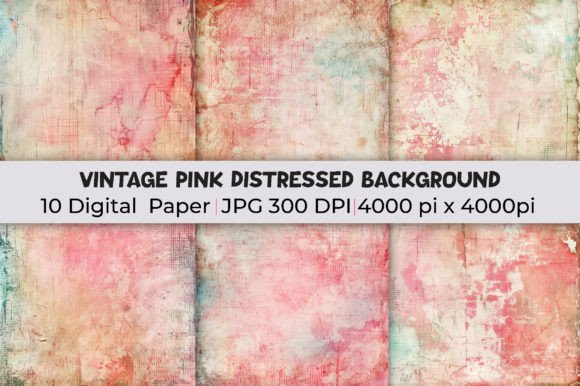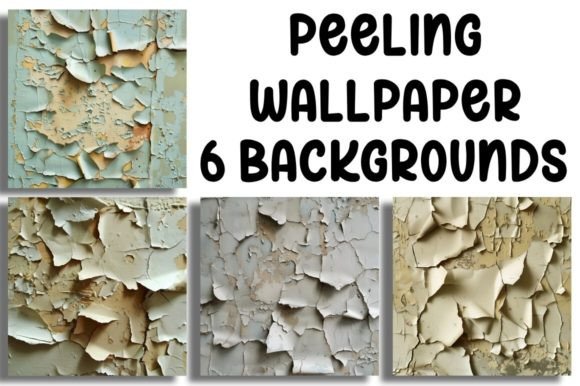
Peeling Wallpaper Backgrounds: A Guide to Vintage Charm
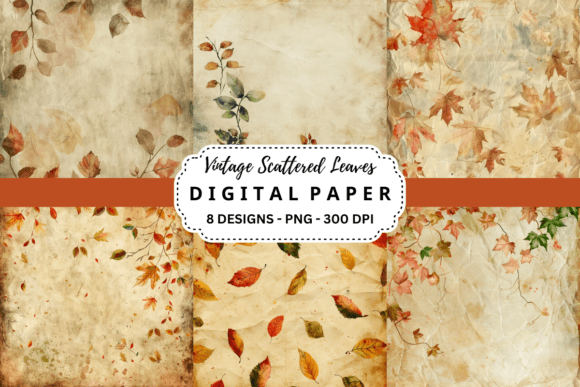
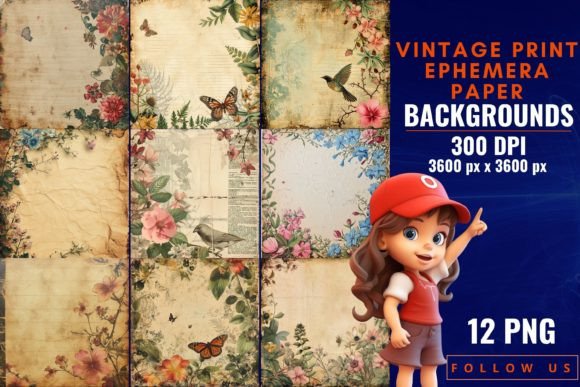
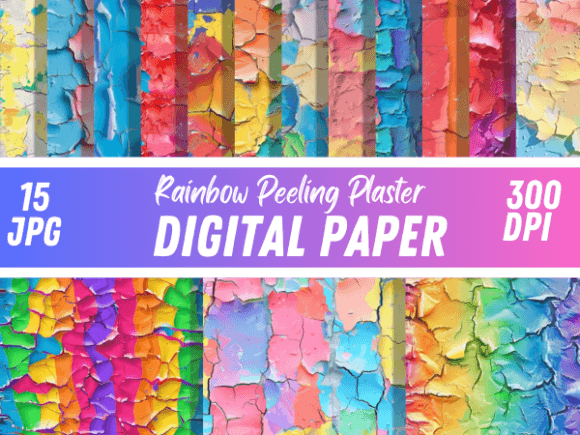
There’s a specific kind of beauty found in imperfection. It’s the quiet story told by a faded photograph, the character in a well-worn book, the subtle history etched into the walls of an old home. This is the essence captured in our Peeling Wallpaper Backgrounds collection. These aren't just textures; they are evocative scenes, meticulously crafted to bring a layer of authentic, nostalgic warmth to your projects. Each of the six backdrops in the Vintage Elegance collection is a canvas waiting for your story, offering a unique blend of rustic allure and sophisticated detail.
The Soul of the Texture: More Than Just a Backdrop
What makes these backgrounds so compelling? It’s their ability to communicate a mood instantly. The visual characteristics are rich and complex: you’ll find layers of aged paper curling away from the wall, revealing glimpses of plaster or older patterns beneath. The color palettes are muted and sophisticated, often featuring soft creams, weathered blues, faded greens, and gentle earth tones that have been softened by time. This isn't a clean, sterile surface; it’s one with personality. The subtle cracks, the delicate peels, and the nuanced stains create a visual narrative of lived-in spaces and cherished memories.
This style of background excels at creating an immediate emotional connection. It evokes feelings of comfort, history, and authenticity. For a designer, it’s a powerful tool to bypass generic modernity and tap into a deeper, more human aesthetic. The texture itself becomes a design element, adding depth and interest without overwhelming the primary content. It’s a perfect example of how a thoughtful design asset can elevate a project from good to memorable, providing a foundation that feels both timeless and deeply personal.
Where Vintage Elegance Meets Modern Projects
The practical applications for these Peeling Wallpaper Backgrounds are vast, spanning both digital and print realms. Their versatility is their greatest strength. In graphic design, they serve as stunning foundations for quote graphics, social media posts, and website hero images that need a touch of humanity. For editorial design, think of a magazine feature on heritage crafts or a book cover for a historical novel—these textures provide the perfect, immersive setting.
Let’s break down some specific uses:
- Branding and Packaging: For small businesses like artisan bakeries, boutique coffee roasters, or vintage clothing stores, these backgrounds can form a core part of their brand identity. Used on packaging, business cards, or website banners, they communicate quality, craftsmanship, and a story behind the product.
- Digital Presence: In web design, a textured background can add warmth to an "About Us" page or a portfolio site for a photographer. For social media graphics, they make text-heavy posts more engaging and visually cohesive, especially for brands with a rustic or nostalgic angle.
- Presentations and Marketing: Move beyond sterile corporate templates. A subtle peeling wallpaper texture in a presentation can make data feel more human and ideas more grounded. For email marketing campaigns, a textured header image can increase click-through rates by standing out in a crowded inbox.
- Personal and Creative Projects: For crafters and hobbyists, these are ideal for digital scrapbooking, creating custom invitations, or as a backdrop for product photography on platforms like Etsy. They add a professional, styled look without the need for complex staging.
Integrating Texture with Typography and Hierarchy
The key to using a strong textured background is balance. You don’t want the texture to fight with your message. The most effective approach is to treat the background as a supporting actor, not the star. This means your typography needs to be clear and well-considered. A clean, sans-serif font often provides a beautiful contrast to the organic, aged texture, ensuring your headlines and body copy remain highly readable. A sophisticated serif can also work, especially for more formal or editorial projects, echoing the classic feel of the background.
This interplay is crucial for visual hierarchy. Use the background to frame your content, not obscure it. Often, applying a slight overlay—like a semi-transparent color wash or a gentle vignette—can help your text pop while preserving the texture’s character. This technique ensures your call-to-action remains prominent and your key messages aren’t lost. The goal is to create a harmonious relationship where the Peeling Wallpaper Backgrounds enhance the perception of your brand, lending it a sense of depth, history, and authenticity that flat, clean backgrounds simply cannot achieve.
A Practical Guide to Choosing and Using Your Backgrounds
When selecting from the collection, consider the specific mood of your project. Is it cozy and rustic, or elegant and faded? Match the color palette and intensity of the peeling to your overall color scheme. Always test your chosen background with your actual content. Place your logo, headlines, and body text over it. Does the text remain legible at different sizes? Does the overall composition feel balanced?
Think about font pairing as a dialogue. A bold, modern display font can create a striking contrast with the vintage texture, highlighting a contemporary take on a classic style. Conversely, pairing it with a delicate script or handwritten font can amplify the nostalgic, personal feel. The included high-resolution files ensure that whether you’re designing a large-format print or a detailed web graphic, every nuance of the texture is preserved with impeccable clarity.
Finally, always review the licensing for any commercial font or asset you use. Our collection is provided with a clear license for both personal and commercial projects, giving you the freedom to create with confidence. By thoughtfully integrating these Peeling Wallpaper Backgrounds, you’re not just adding a texture; you’re layering in a story, a mood, and a timeless elegance that resonates deeply with an audience yearning for authenticity in a digital world.